
SNU EYE CLINIC · PATIENT GUIDES
Choosing a Cataract Lens if You Drive Often: Monofocal and Multifocal Options at SNU Eye Clinic
What to consider when choosing an intraocular lens if night driving matters to you. Compare viewing distances, possible glasses needs, glare and contrast sensitivity with monofocal, multifocal and EDOF lenses, and prepare lifestyle information for your SNU Eye Clinic consultation.
If night driving matters to you, choosing a cataract lens means comparing more than distance vision. Glare, halos and the ability to distinguish objects in dim light also matter. You can start by comparing a monofocal lens; with multifocal or extended depth of focus lenses, weigh the aim of relying less on glasses for closer tasks against possible difficulties with night vision. At SNU Eye Clinic, our intraocular lens consultations take account of eye conditions, the distances you use most and your lifestyle.
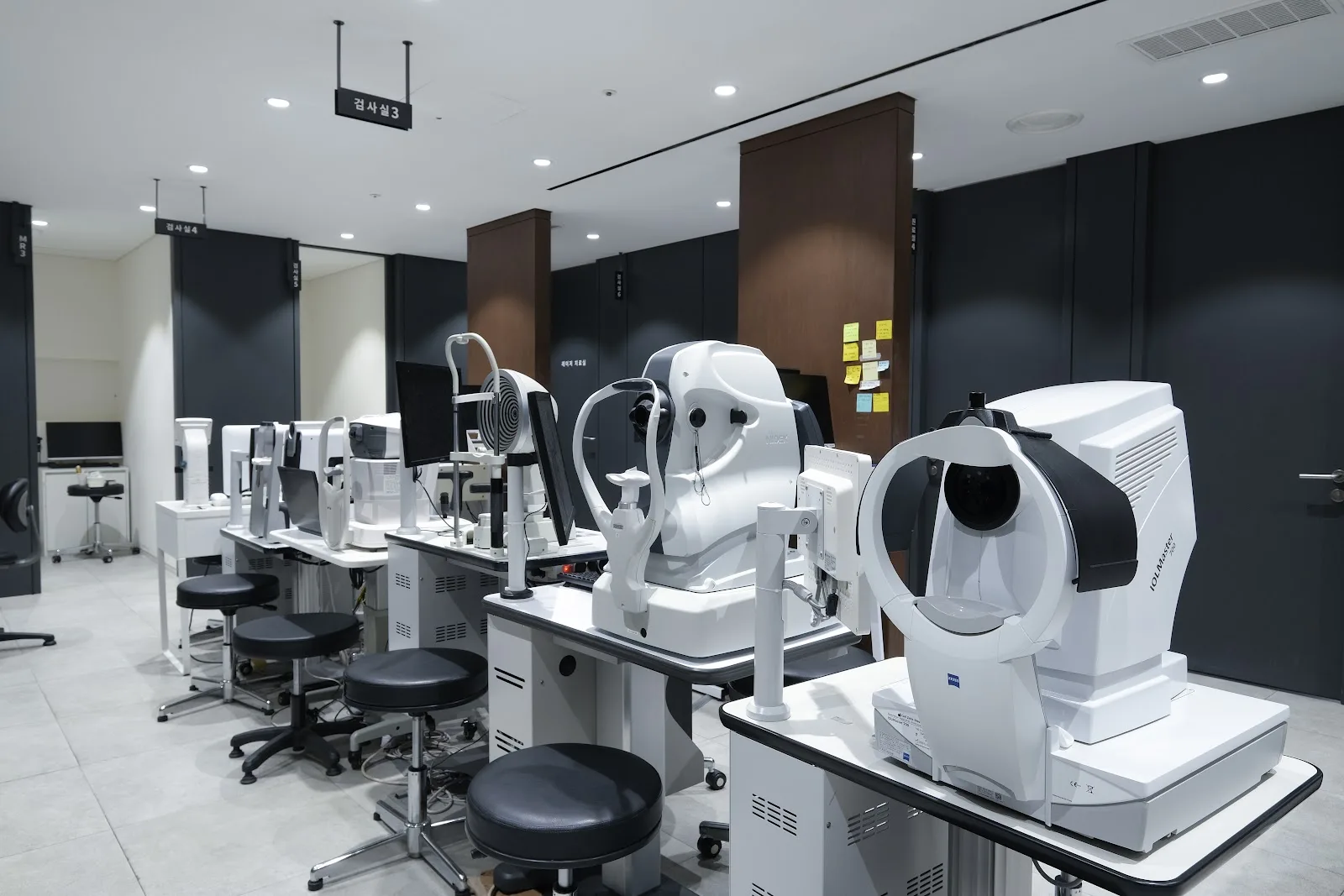
Why do viewing distance and glare matter for drivers?
Driving involves both reading distant signs and looking at the dashboard and navigation screen. At night, light spreading around oncoming headlights or streetlights can be distracting. Vision in dim conditions therefore matters alongside visual acuity measured in bright light.
Rings around lights are known as halos. Multifocal lenses and some other lens types can cause these visual effects and reduced contrast sensitivity, so discuss them before choosing a lens if you often drive at night. Contrast sensitivity is the ability to distinguish an object from its background, including in dim light.
The American Academy of Ophthalmology’s guide to choosing an intraocular lens also identifies night driving and glare as important considerations. However, designs and individual eye conditions differ even within the same lens category. Do not assume all multifocal lenses are the same.
How do monofocal, multifocal and EDOF lenses differ?
A monofocal lens is designed around one main focusing distance; a multifocal lens provides focus at multiple distances. An extended depth of focus (EDOF) lens broadens the range of focus to support distance and intermediate vision. Compare the distances at which each lens may be useful and when you may still need glasses.
| Lens type | Aim to compare at your consultation | Conditions to understand |
|---|---|---|
| Monofocal | Vision at one chosen distance, such as far away | If set for distance, glasses may be needed for reading and other near tasks |
| Multifocal | Less reliance on glasses at several distances | Assess glare, halos, contrast sensitivity, eye conditions and individual suitability |
| EDOF | A broader range of focus, such as distance and intermediate vision | Glasses may still be needed for small print up close; compare night vision for each lens model |
Even a monofocal lens set for distance does not mean you can expect to drive without glasses in every situation. Residual myopia or astigmatism and your actual vision may mean glasses are needed. Multifocal and EDOF lenses also do not guarantee that you will never need glasses at any distance.
Toric intraocular lenses correct astigmatism, which is a separate consideration from the focusing category. If you have astigmatism, ask about its correction alongside the choice between monofocal, multifocal and other lenses. A toric lens used in cataract surgery and a TORIC ICL, which leaves the natural lens in place, are used in different operations.
What lifestyle information should you share at SNU Eye Clinic?
Start with whether you drive during the day or at night and which distances you would like to see without glasses. Our personalized intraocular lens consultations consider vision, eye conditions, lifestyle and your usual viewing distances together.
Preparing the following information helps you relate the advantages and disadvantages of a lens to your own life:
- How often you drive at night and what bothers you about headlights or streetlights.
- Whether work involves long-distance driving or driving on rainy nights.
- Which distances you use most for the dashboard, navigation screen, computer and phone.
- Whether you are willing to use reading or driving glasses when needed.
- Any previous eye operations or treatment for retinal, optic nerve or corneal conditions.
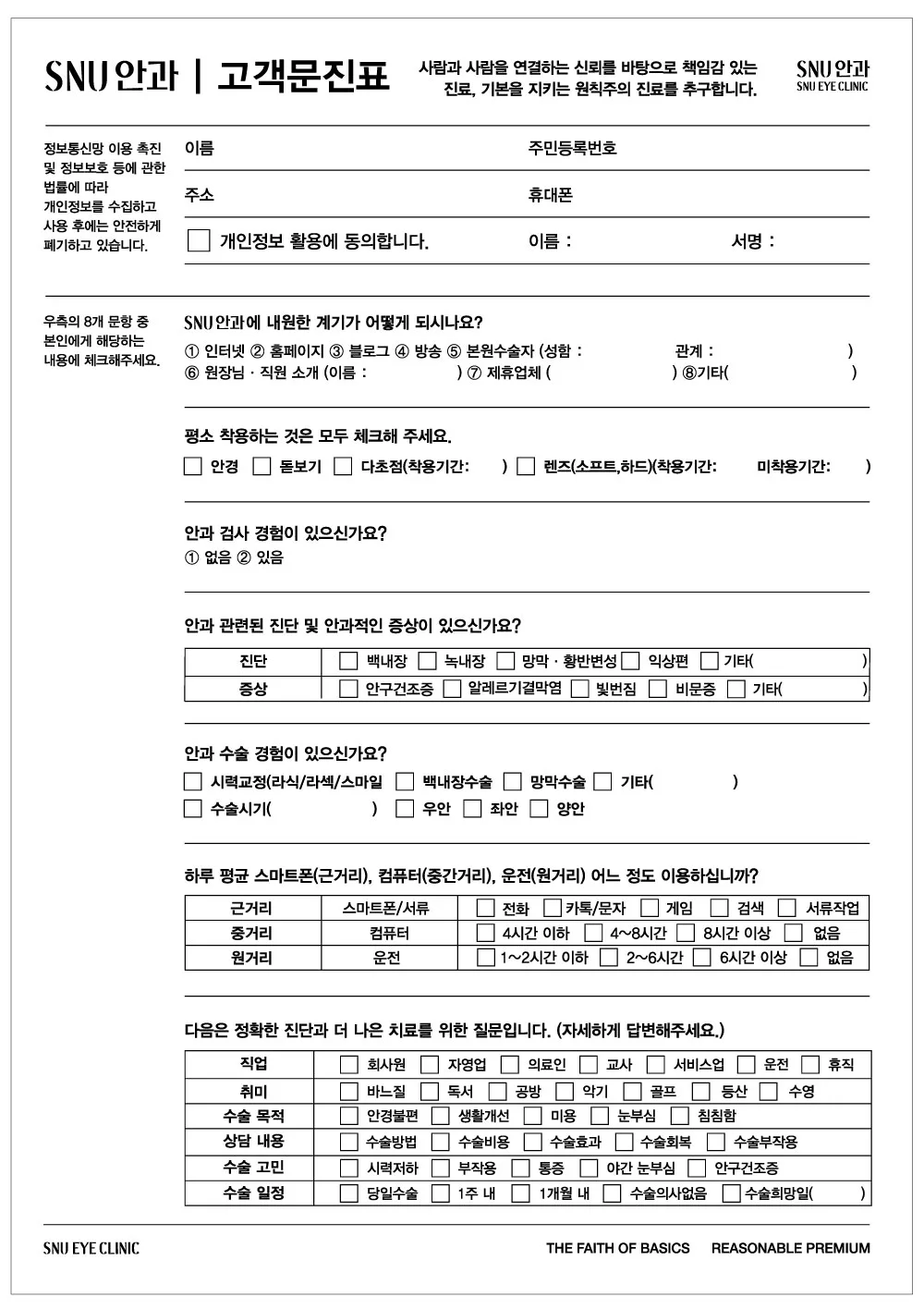
The examination needs to assess whether conditions other than cataracts affect your vision and lens choice. For the lens proposed to you, ask why it suits your lifestyle, what difficulties may remain and at which distances glasses may be needed. Our personalized intraocular lens consultation page describes the lenses and consultation approach presented by SNU Eye Clinic.
What should you check about driving after surgery and costs?
When you can drive again depends on your postoperative vision and recovery, not just the name of your lens. Arrange transport home on the day of surgery and ask separately when you can resume daytime and night driving. If your two eyes will be operated on at different times, also discuss vision and glasses use between the operations.
When comparing quotes, check that they cover the same lens type, the same number of eyes (one or both), and the same examinations, medicines and follow-up visits. Check the listed items on our self-pay fee information page and request a quote for the lens actually proposed to you. Insurance coverage should be checked separately against your policy and the care provided.
When booking a cataract consultation at SNU Eye Clinic, tell us when you usually drive and which situations cause the most difficulty. You can enquire about examinations and lens consultations through our online appointment request.