
SNU EYE CLINIC · PATIENT GUIDES
Planning ICL Surgery in Korea: Lens Selection, Examinations and Ordering at SNU Eye Clinic
Compare standard and toric ICL lenses and learn how SNU FITTING, eye examinations and lens orders affect your surgery schedule. Before travelling to Korea, check lens availability and follow-up arrangements, and understand eligibility, surgical risks and what lens removal involves.
Planning ICL surgery in Korea starts with an eye examination and a check on whether the right lens is available for you. At SNU Eye Clinic, our SNU FITTING process measures the space inside the eye to help determine the lens type and size. If your lens needs to be ordered separately, there may be a wait before surgery. If you are considering surgery for high myopia or astigmatism, allow for these examinations and the lens order when planning your stay in Korea.
How is ICL different from SMILE?
ICL surgery places a corrective lens inside the eye, whereas SMILE corrects vision by removing corneal tissue. A typical posterior chamber ICL sits behind the iris and in front of the eye’s natural lens, which stays in place. This also differs from cataract surgery, in which the natural lens is removed and replaced with an artificial intraocular lens.
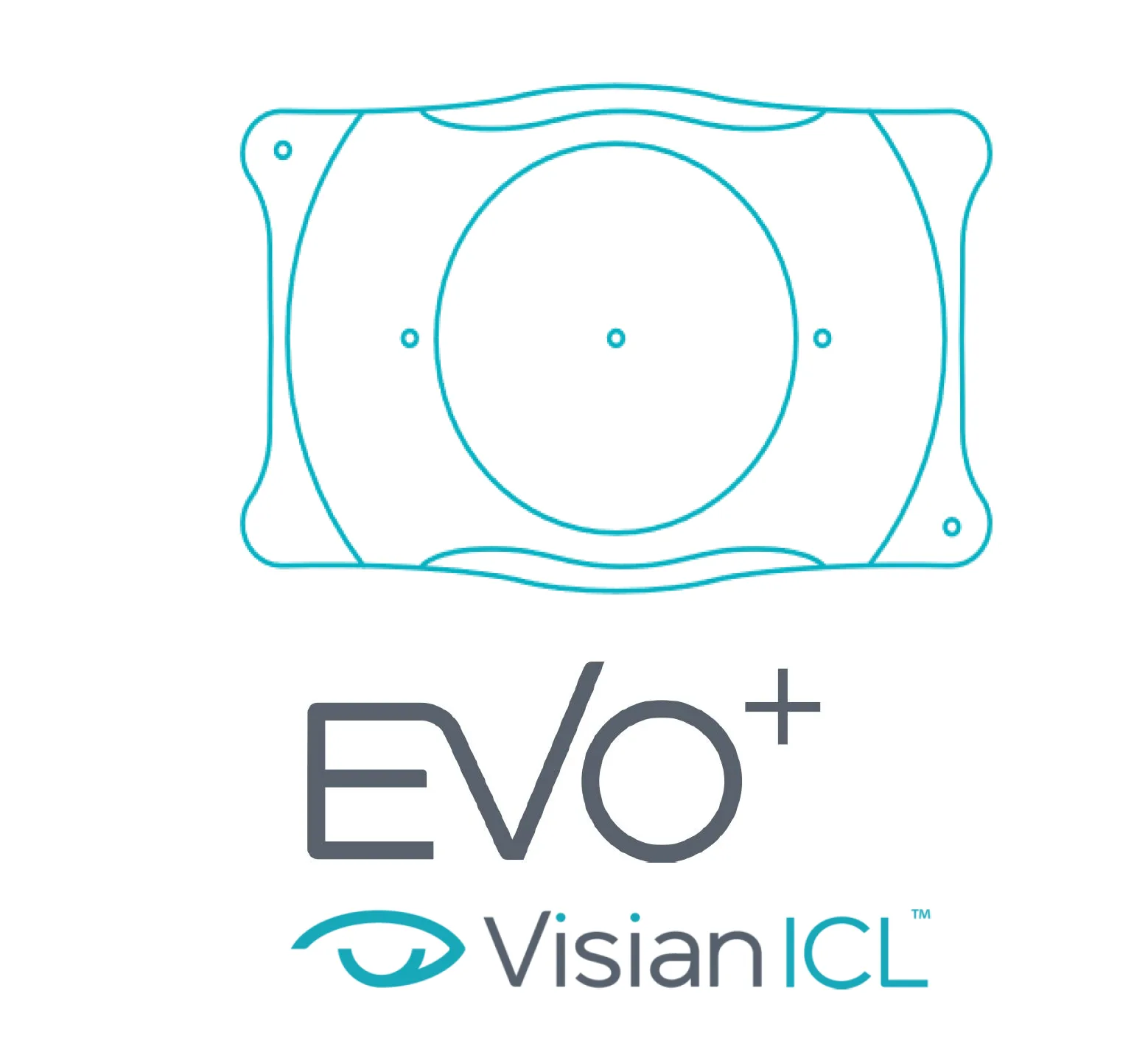
ICL may be considered if corneal laser surgery is unsuitable or if you are comparing options for high myopia. However, assessment is still needed: the space inside the eye, corneal endothelial cells, eye pressure and other eye conditions all matter. A thin cornea alone does not mean you are eligible for ICL surgery.
Leaving corneal tissue intact does not mean the operation is free of risks. Phakic lens implantation carries risks including increased eye pressure, cataracts, loss of corneal endothelial cells and infection. Discuss these risks and the follow-up plan with your doctor. You can also read the FDA’s explanations of phakic lenses and the risks of surgery.
How do you choose between a standard ICL and a toric ICL?
A toric ICL includes astigmatism correction. The choice depends on how your myopia and astigmatism will be treated together. After examining your prescription, the amount and axis of astigmatism, and the structure of your eyes, we determine the appropriate lens and correction plan.
| What to compare | What to ask at your consultation |
|---|---|
| Standard ICL or toric ICL | Which lens is proposed for you and how your astigmatism will be corrected |
| Lens power | Your current refractive error and the intended range of correction |
| Lens size | Measurements of the space inside your eye and why that size was chosen |
| Follow-up after surgery | How lens position, eye pressure and vision will be monitored |
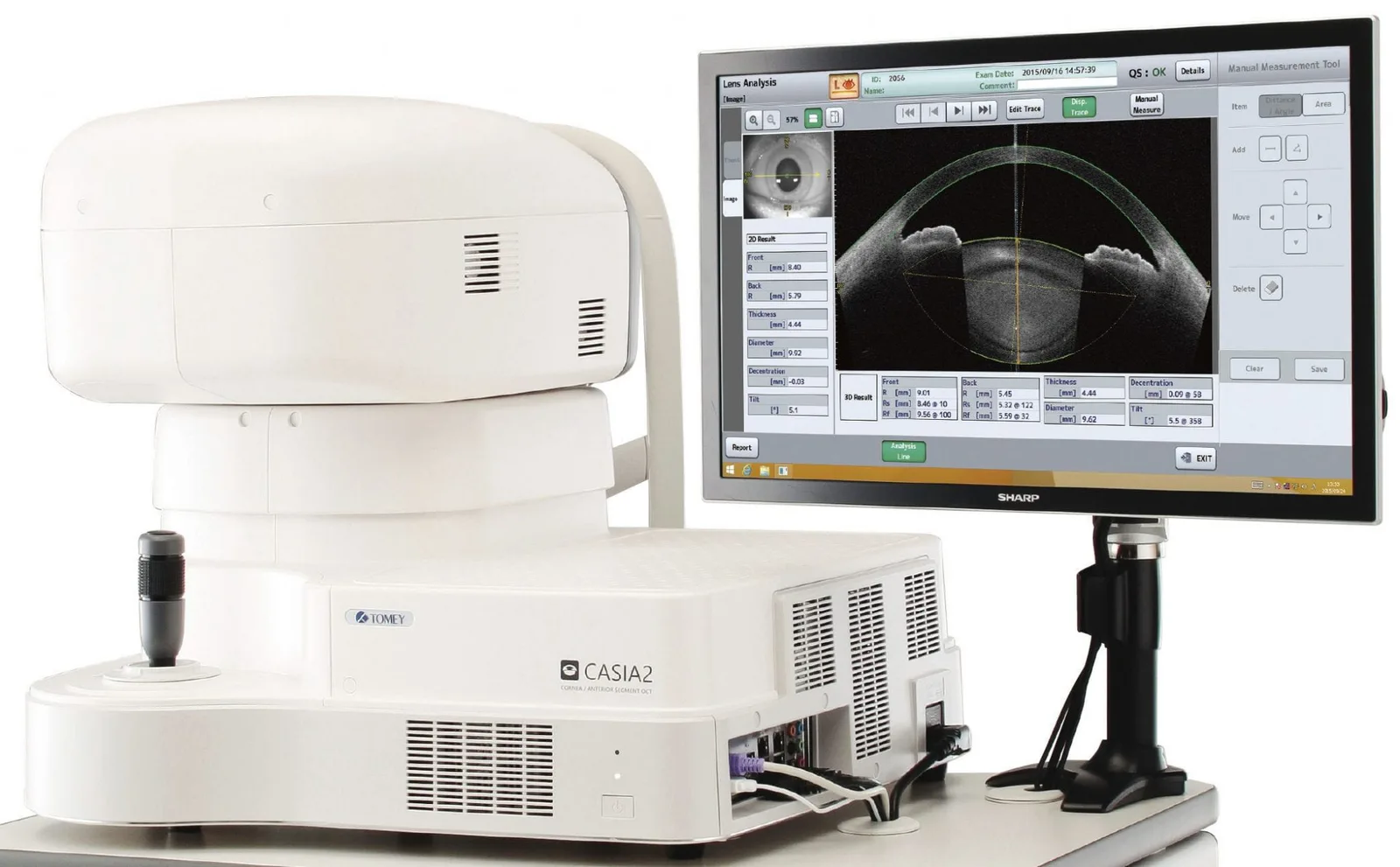
Our SNU FITTING process uses examinations such as anterior segment OCT to assess the structures inside the eye and plan the lens size and placement for each patient. Alongside the equipment used, ask how your own measurements inform the lens choice. Our ICL information page explains the measurements and lens preparation process at SNU Eye Clinic.
How much time should you allow for examinations and a lens order?
SNU Eye Clinic’s current Q&A lists approximately 2 hours for the first ICL examination and approximately 3–4 hours for the second, detailed examination used to order the lens. Confirm the dates and sequence of both stages when booking.
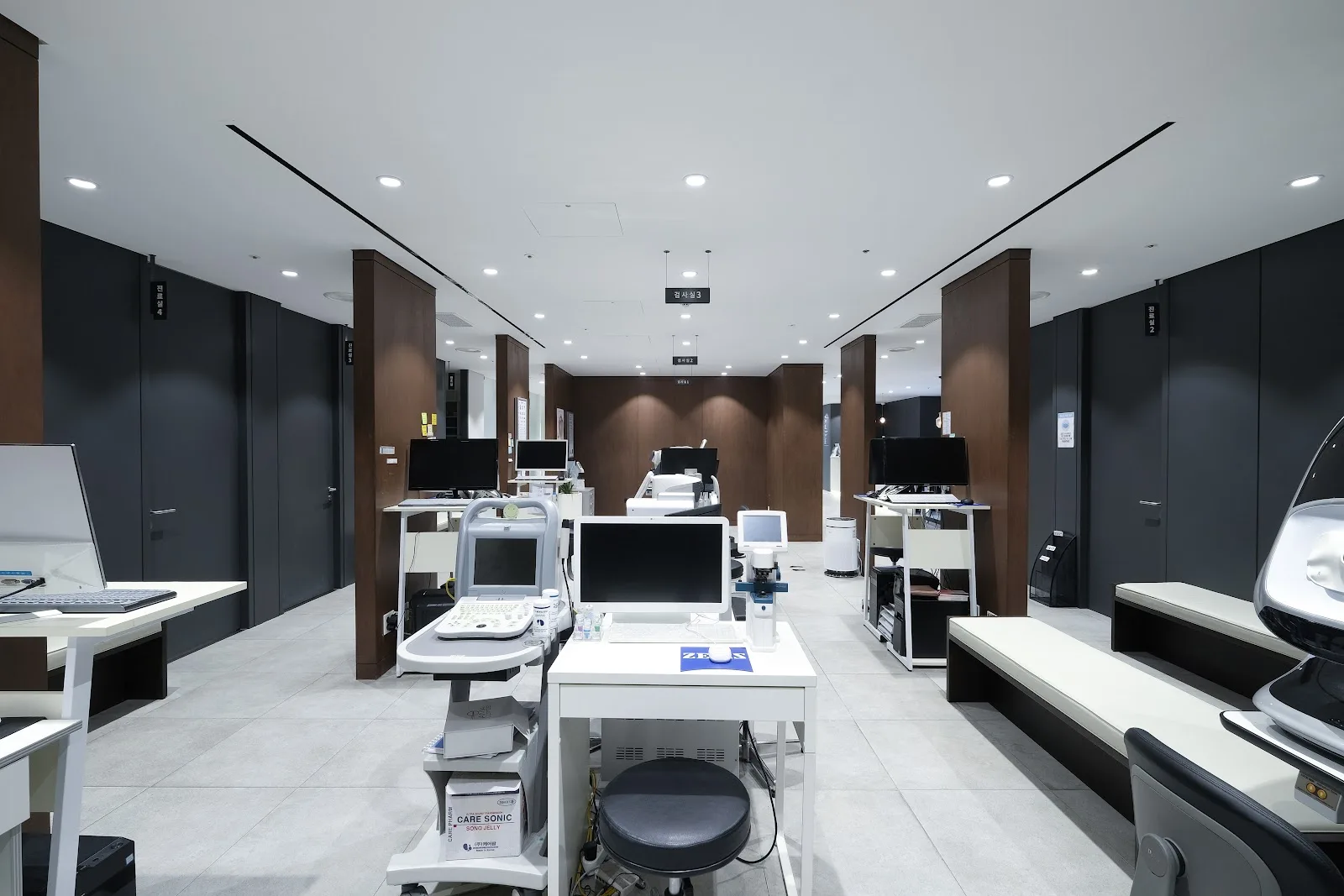
After the examinations, we check whether the lens you need is available in Korea. Same-day surgery may be considered if a suitable lens is available and the clinical requirements are met, but a separate order may be necessary. The clinic website states that an order can take up to about 2 weeks. This is an estimate, not a guaranteed arrival date for every lens.
If you are travelling from overseas, plan in this order:
- Allow for the required break from contact lens wear before the examinations.
- Confirm the time needed and visit dates for the first and second examinations.
- Confirm the lens type, power, size and expected availability date.
- Arrange surgery and the initial follow-up appointments.
- Plan where to attend any follow-up appointments needed after returning home.
Before your examination results are available, do not assume that every step, including surgery, will fit into a short stay. Finalize the examination booking and surgery schedule after checking lens availability as well. Our examination and surgery Q&A explains the stages.
What should you prepare and discuss before surgery?
Tell us what type of contact lenses you wear, your recent prescription, any previous eye operations or conditions, and the medicines you take. A break from contact lens wear is needed for the examinations. Dilating eye drops can cause glare and blurred vision that make driving difficult, so arrange how you will get home after the examination. Prepare any preoperative eye drops according to your own prescription and dosing schedule.
If you are told that the implanted lens can be removed, also discuss the circumstances in which another operation may be needed and its risks. Removing a lens does not guarantee a return to your eye’s original condition, and it does not eliminate the need for future eye examinations.
When requesting an ICL quote, ask for a breakdown by standard or toric lens, surgeon and included services. You can check the listed items on our self-pay fee information page. In your online appointment request, include the lens type you are considering and the dates of your stay in Korea.